VRV/VRF Maintenance for Singapore Offices — What's Actually Involved
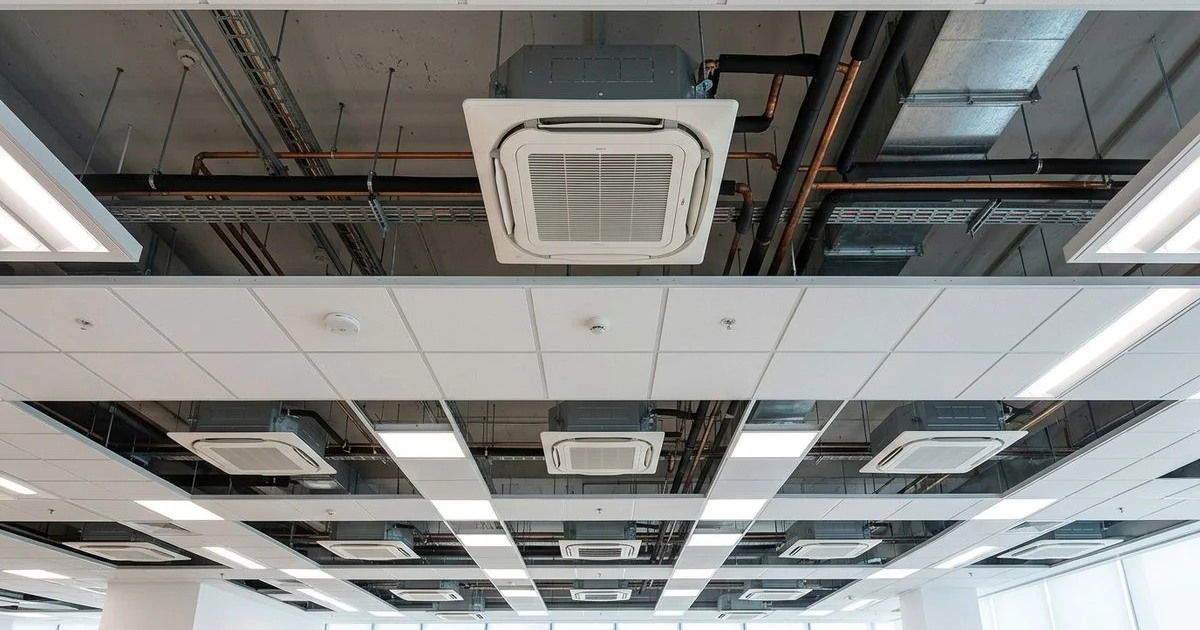
We notice many property owners upgrading to VRV systems, assuming the technology operates just like a standard aircon. The reality is quite different.
Proper vrv vrf maintenance singapore requires a distinct approach to handle the advanced refrigerant pathways.
Our specialists use targeted diagnostic tools to manage these high-capacity units effectively. These powerful systems deliver up to 30% better energy efficiency when serviced correctly. See the full scope of our Commercial Aircon Services for VRV, VRF, ducted, and ceiling cassette work. Let us explore how this setup differs from basic units and what a true specialist visit covers.
What makes VRV/VRF different from residential aircon
We approach VRV (Variable Refrigerant Volume) and VRF (Variable Refrigerant Flow) as the exact same technology, separated only by manufacturer naming conventions. Both function as multi-zone systems where a single outdoor condenser feeds numerous indoor zones through a shared refrigerant loop. Major brands like Daikin VRV and Mitsubishi Electric City Multi VRF dominate the local market.
Our technicians observe several key differences between these and basic residential multi-split units. The main operational variations include:
- Increased zone capacity: A standard multi-split caps at five indoor units, while a high-capacity Daikin VRV IV-S easily handles up to 14 zones on a single loop.
- Advanced flow control: The master controller dictates specific refrigerant volume to each room based on exact cooling demand.
- Dynamic pressure management: The system constantly adjusts loop pressure to maintain top electrical efficiency.
- Modular outdoor scaling: Installers frequently stack multiple condensers on a roof or dedicated plant deck.
This high level of sophistication demands dedicated vrf system service expertise. We utilize proprietary software tools to read the complex master controllers during every inspection.
A standard technician simply lacks the equipment to interpret these digital metrics. Regular maintenance plans specifically target these advanced components to prevent unexpected failures.
What a monthly VRV maintenance visit covers
Our standard monthly visit for a high-capacity VRV setup involves rigorous checks across four main system areas. Technicians must balance physical cleaning with detailed software diagnostics to ensure peak performance. The entire process demands extreme attention to detail to protect your investment.
Indoor units (each zone)
We start by inspecting the hardware inside each specific room. Singapore experiences year-round humidity above 80%, which creates the perfect environment for rapid algae buildup inside the units. Routine cleaning stops these blockages before they cause massive water leaks across your ceilings.
Our indoor checklist strictly follows these essential steps:
- Cleaning the filter and verifying pressure drops across the unit.
- Inspecting the cooling coil with an anemometer for accurate airflow readings.
- Flushing the drainage line and clearing the indoor drain pan to prevent algae chokes.
- Reading the localized sensor data via the master controller.
- Measuring the exact supply air temperature and velocity.
Outdoor units
These massive outdoor condensers act as the heart of your entire climate control network. High temperatures and constant urban construction dust severely restrict heat exchange efficiency in this climate. We pay special attention to washing these units to keep the compressor running at optimal capacity.
The comprehensive outdoor condenser check involves:
- Washing the condenser coil with a specialized low-pressure water rinse.
- Checking refrigerant pressure across all operating loops using digital manifold gauges.
- Testing the fan motor for unusual vibration or excessive power draw.
- Verifying the main drain network remains totally clear of debris.
- Conducting a visual inspection of all copper pipework for oil stains, which indicate micro-leaks.
Master controller / software diagnostics
Physical checks only reveal part of the story with these highly computerized systems. Our technicians connect directly to the central management hub, such as the Daikin Intelligent Touch Manager, to read internal data. The software logs highlight hidden inefficiencies long before physical components actually break down.
This digital diagnostic process covers several crucial elements:
- Pulling exact error logs directly from the main controller interface.
- Verifying the zone control logic matches the daily household schedule.
- Updating the core firmware to the latest manufacturer release if available.
- Analyzing the fault history to spot recurring performance patterns.
Plant room (where applicable)
We also inspect dedicated plant rooms if your property utilizes a hybrid cooling setup. Large homes sometimes feature these enclosed spaces to house heavier machinery safely out of sight. Proper insulation remains critical to stop condensation drips in these restricted areas.
Our standard plant room routine includes:
- Inspecting the pump room for hybrid chilled water components.
- Checking all pipe insulation for tears or excessive condensation buildup.
- Verifying the electrical isolation switches function properly during an emergency.
Visit duration by system size
The time required for proper office vrv maintenance depends entirely on the total number of connected zones. Massive properties require strategic scheduling to ensure every single unit receives adequate professional attention. We map out a clear, transparent timeline with the property owner before starting any major service.
| Zone count | Typical visit time |
|---|---|
| 10 to 15 zones | Half-day (4 to 5 hours) |
| 20 to 30 zones | Full day (8 hours) |
| 50+ zones | Multiple sessions across the month |
This phased approach allows the team to complete the necessary indoor work without disrupting the entire building at once. For extensive multi-level properties, technicians intentionally schedule the work floor by floor. Our crews might service the first floor on a Tuesday, while scheduling the second floor for the following week.
Documentation
Clear records help property owners track component degradation accurately over several years. This documentation is essential for warranty claims and future property valuation assessments. We generate a precise, written service report at the end of every scheduled visit.
The standard service report includes these vital details:
- A timestamped record of every single zone serviced.
- The exact refrigerant operating pressures recorded during the test.
- A detailed assessment of the filter condition in each specific room.
- Specific flags regarding potential hardware degradation.
- Clear recommendations for any required follow-up repairs.
Property managers and strict warranty auditors frequently demand these specific data points. Our highly detailed documentation takes the guesswork out of annual budgeting for replacement parts.
Software diagnostics — what we look for
The master controller logs every single fault, including temporary glitches that clear themselves automatically. These hidden digital warnings provide the best early indicator of impending hardware failure. We actively monitor these codes, such as a Daikin U4 communication error or an A3 drain level anomaly.
Catching these signals early saves thousands of dollars in emergency compressor replacements down the line. Common failure patterns we regularly surface include:
- A single zone constantly misreading the room temperature, indicating a faulty thermistor.
- Repeated outdoor compressor lockouts, which point to a severe pressure imbalance.
- Frequent communication errors between specific indoor units, highlighting a wiring fault.
- Gradual refrigerant pressure drift over several months, signaling a slow, hidden gas leak.
Our proactive approach guarantees the equipment runs smoothly throughout the hottest parts of the year. Spotting a tiny refrigerant leak in month six proves far cheaper than fixing a seized, starved compressor at month ten. When you need to decide between different setups, reviewing our guide on office aircon types compared provides excellent clarity.
We also recommend reviewing the real cost of sudden failures by looking at the data on commercial aircon downtime. If you are ready to secure a highly reliable commercial vrv aircon maintenance contract, explore our comprehensive commercial aircon services today.